Your Proven Building Professional for Superior House Renovations
A trusted building expert functions as an essential role in property renovations. Their knowledge ensures projects are finished with precision and care. By emphasizing quality materials and craftsmanship, they improve both visual quality and market value. Clear dialogue and thorough preparation are essential for a smooth process. However, many homeowners miss critical factors when choosing a builder. Recognizing what to prioritize can make a significant impact in achieving a successful renovation. What should homeowners consider first?
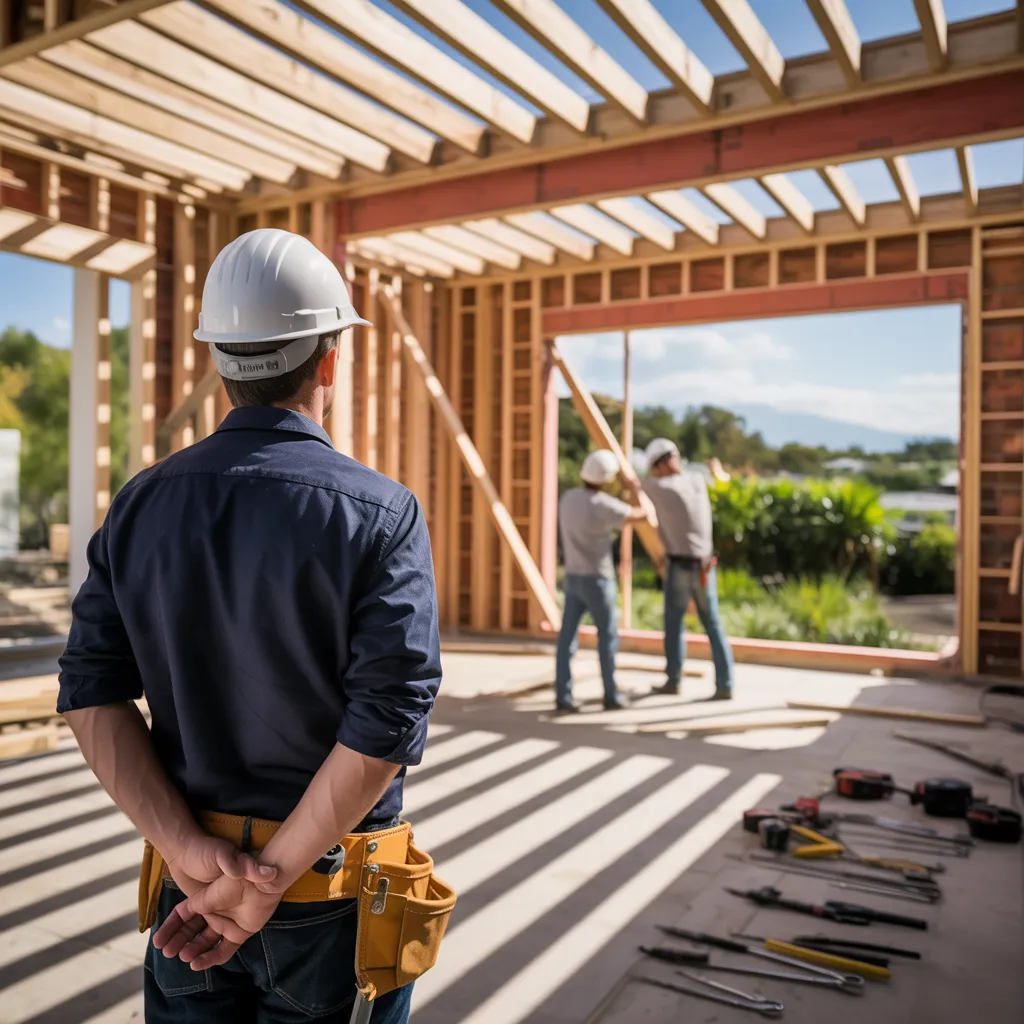
Factors to Consider When Choosing a Reputable General Contractor
When starting a home improvement project, how can one guarantee they choose a trustworthy general contractor? First, individuals should seek suggestions from loved ones, acquaintances, or web-based testimonials to find potential candidates. It is essential to confirm credentials, including permits and coverage, making sure the contractor complies with local regulations. Next, reviewing past work through project galleries learn the details or client testimonials provides insights into the contractor's dependability.
Moreover, obtaining multiple estimates can help gauge reasonable pricing and project timelines. Interpersonal proficiency are also essential; a contractor should be receptive and attentive to requests for information. Also, a complete agreement clarifying project specifications, timeframes, and payment schedules defends both stakeholders. Finally, trust instincts; if a contractor seems amateurish or vague, it may foreshadow later complications. By following these guidelines, homeowners can markedly enhance their likelihood of retaining a reliable general contractor, leading to quality home improvements.
Why a Local General Contractor Is Your Top Choice
Picking a regional general contractor can greatly enhance the achievement of house renovation projects. Local contractors hold invaluable knowledge of the locality, including building codes, regulations, and zoning laws, ensuring conformity and efficiency. Their long-standing partnerships with distributors and specialty contractors can lead to better pricing and prompt delivery to materials and skilled labor.
Moreover, local contractors often maintain a name to protect in the locality, pushing them to deliver high-quality work. This sense of accountability creates trust and confidence among homeowners.
Furthermore, nearness supports better interaction and quicker response, which can be paramount during a project. Homeowners can also collect recommendations from neighbors or friends who have had past dealings with the contractor, providing peace of mind. Overall, choosing a local general contractor not only bolsters the community but also optimizes the overall quality and experience of home improvement activities.
Your Full Step-by-Step Guide to Property Renovation
Beginning a home improvement project necessitates careful strategizing and execution. Creating a work schedule is vital to guarantee that jobs are completed efficiently, while selecting premium products can significantly influence the project success. This handbook will describe these key steps to assist homeowners tackle their improvement endeavor successfully.
Structuring Your Project Timetable
A structured project timeline is critical for effective home improvements, ensuring all phases are completed smoothly. First, homeowners should define the project's scope, including clear goals and desired outcomes. Then, they need to consult with their general contractor to agree on a practical timeline based on the project's complexity and required tasks. Breaking down the project into smaller phases enables better monitoring and adjustments as necessary. It's also key to consider potential delays such as weather or supply chain issues, which might affect the schedule. Regular check-ins with the contractor help maintain progress. In the end, a clear timeline promotes communication and defines expectations, leading to a smoother home improvement process.
Selecting Premium Components
Picking premium materials greatly influences the results of house renovation projects. First, residents must determine the exact needs of their job, considering aspects like strength, aesthetics, and financial constraints. Studying various supply options is important; this means understanding the benefits and drawbacks of each. Speaking with professionals can supply important insights on reliable companies and suppliers.
Next, homeowners should request samples to evaluate the look and feel of materials in person. Contrasting prices across different suppliers can help guarantee competitive pricing without sacrificing quality. Finally, confirming that materials meet local building codes is crucial for safety and compliance. By thoughtfully selecting materials, homeowners can improve both the durability and visual appeal of their renovations, finally adding value to their property.
Present Your Vision Like a Pro
Successful home improvements often depend on the ability to communicate a distinct vision. Homeowners should articulate their ideas, preferences, and expectations, ensuring that they convey their desires efficiently to their general contractor. A well-defined vision not only assists in aligning the contractor's strategies with the homeowner's objectives but also streamlines the decision-making process.
Visual aids like sketches or mood boards can significantly improve communication. They offer a tangible reference that demonstrates style, color schemes, and layout preferences. Furthermore, engaging in open dialogue fosters collaboration, allowing the contractor to ask clarifying questions and share expertise.
Establishing realistic timelines and budgets is equally important. Property owners should be ready to discuss limitations transparently to prevent confusion later. In the end, communicating a vision with transparency and assurance strengthens both parties, paving the way for effective project implementation and satisfying results in residential renovation projects.
The Significance of Quality Materials and Skilled Workmanship
In residential renovations, the choice of long-lasting materials greatly impacts the durability and performance of a project. Just as crucial is the role of skilled craftsmanship, which ensures that these materials are utilized properly. Combined, premium materials and skilled craftsmanship create results that endure through the years.
Durable Material Picking
A well-considered collection of tough materials can significantly determine the durability and beauty of home improvements. High-quality materials not only improve the aesthetic value of a space but also guarantee that renovations endure the test of time. Homeowners should prioritize materials with demonstrated durability, such as hardwood, stone, and high-grade metals, which resist wear and tear and environmental damage. Additionally, choosing materials matching the local climate can prevent issues like rot or corrosion. Committing funds in sturdy options may require a higher upfront cost, but the long-term benefits—fewer repairs and replacements—make it a smart choice. Ultimately, the right materials boost a home's value and overall satisfaction for years to come.
Skilled Workmanship: Its Value
Quality workmanship plays an vital role in the success of residential upgrades, complementing the choice of sturdy materials. Skilled artisans ensure that every aspect of a project is executed with accuracy, improving both functionality and visual appeal. Attention to detail in construction, from framing to finishing touches, significantly adds to the durability and performance of home features. Quality workmanship not only demonstrates a commitment to superior quality but also safeguards against future issues, such as structural problems or aesthetic flaws. Additionally, seasoned professionals understand the nuances of various materials, guaranteeing they are employed effectively. Ultimately, investing in skilled craftsmanship leads to a more rewarding and enduring result, elevating the overall worth of the home and the homeowner's experience.
Common Remodeling Errors and How to Prevent Them
Countless property owners encounter challenges during home renovations that can lead to costly postponements and unhappiness. A common mistake is miscalculating the budget. Without a detailed budget framework, unexpected costs can arise rapidly, endangering the project. Additionally, failing to obtain mandatory licenses can result in penalties and project halts, making complex the renovation cycle.
Another typical mistake is rushing the decision-making process. Hasty choices regarding design and layout can lead to regrets later on. Property owners often overlook the importance of employing skilled professionals, which can undermine the work quality and safety standards.
Finally, failing to communicate properly with contractors can create confusion and unmet expectations. To prevent these problems, homeowners should focus on thorough planning, obtain the necessary permits, select skilled contractors, and maintain clear communication channels throughout the renovation process. By tackling these frequent errors, homeowners can ensure a more seamless and rewarding renovation experience.
How to Choose the Right Options for Your Renovation?
How can homeowners guarantee they select the right products for their remodeling work? First, they should assess the specific needs of the space, considering factors such as performance, aesthetics, and longevity. Researching different options is essential; homeowners should analyze options based on their suitability for the intended use and local climate conditions.
Partnering with a trusted general contractor can yield valuable insights into material choices, ensuring that preferences conform to both financial parameters and style objectives. Also, homeowners should emphasize sustainability by considering green choices that reduce carbon footprint.
At last, testing samples can help in making informed decisions, permitting homeowners to see how materials will appear and respond in their space. By completing these steps, property owners can assuredly select materials that enhance their renovation while ensuring excellence and permanence.
Frequently Asked Questions
How Should I Confirm a Contractor's Licenses and Insurance?
To check a contractor's licenses and insurance, one can examine state licensing boards and insurers. Additionally, asking for documentation of licenses and insurance straight from the contractor confirms authenticity and compliance with regulations.
What Reflects the Typical Project Timeline for Home Improvement Undertakings?
The typical timeline for home improvement undertakings differs, often ranging from a few weeks to several months, based on the complexity of the project, scale, and necessary permits. Dialogue with the contractor can help establish a more precise schedule.
Can I Remain in My Home During the Remodeling Process?
Yes, one can reside in a home during renovations, though it often depends on the project's scope. Partial renovations may allow for continued occupancy, while major work might necessitate temporary relocation for comfort and safety.
Which Payment Methods Do Contractors Typically Accept?
Contractors typically welcome a variety of payment methods, such as cash, checks, credit cards, and digital payment platforms. Some may also offer financing solutions, enabling clients versatility in managing renovation costs and payment schedules.
How Can I Deal With Disputes With My Contractor?
To settle disputes with a contractor, one should engage in clear dialogue, track all interactions, and aim for resolution through talks. If not resolved, neutral arbitration or court action may be important to copyright one's interests well.